Is the UE closer to ban import of the Russian oil? Hungary and Germany are mitigating the objection


The UE is working on the sixth package of sanctions against Russia. It is assumed that the most effective means would be a ban on import of oil – the movement, that the European countries are more and more prone to. Still, apart from at least two states.


The EU diplomats involved in the discussions assume that the package could be submitted next week the earliest. Joseph Borell said, however, that this issue will be discussed during the UE summit that will be held at the ned of May, and he does not expect any final decision in this matter until that time.


It is estimated that the most effective sanction would be a ban on import of oil, as in the case of the embargo imposed by the UE on the Russian coal last month. According to the Centre for Research on Energy and Clean Air, since the beginning of the war in Ukraine, Europe has paid Russia 14 billion euro for oil. Suspending the purchase of Russian oil would deprive Russia of the essential income source. The biggest recipient of this natural resource in Europe is Germany, Poland and the Netherlands.


While Ukraine and a number of EU member states, among others, Poland and Baltic countries demanded the ban on importing the Russian oil and gas, Germany and Hungary were the loudest opponents of this solution. They argued that it could seriously impair their own economies. Recently, however, Budapest has mitigated their objection. Gergely Gulyás, head of the Prime Minister’s office said last week that the Hungarian government would like to see what proposals were on the table and whether those proposals included alternatives for the substitutes of the natural resources from Russia”. However, Gulyás underlined that he still considered the gas embargo as “pointless”. There are many signs that also the attitude of Berlin has changed. “After weeks of hard work, Germany is very close to the possibility of getting rid entirely of the Russian oil” German minister for climate and economy Rober Habeck has announced.

Read more


About the Three Seas Initiative in Davos


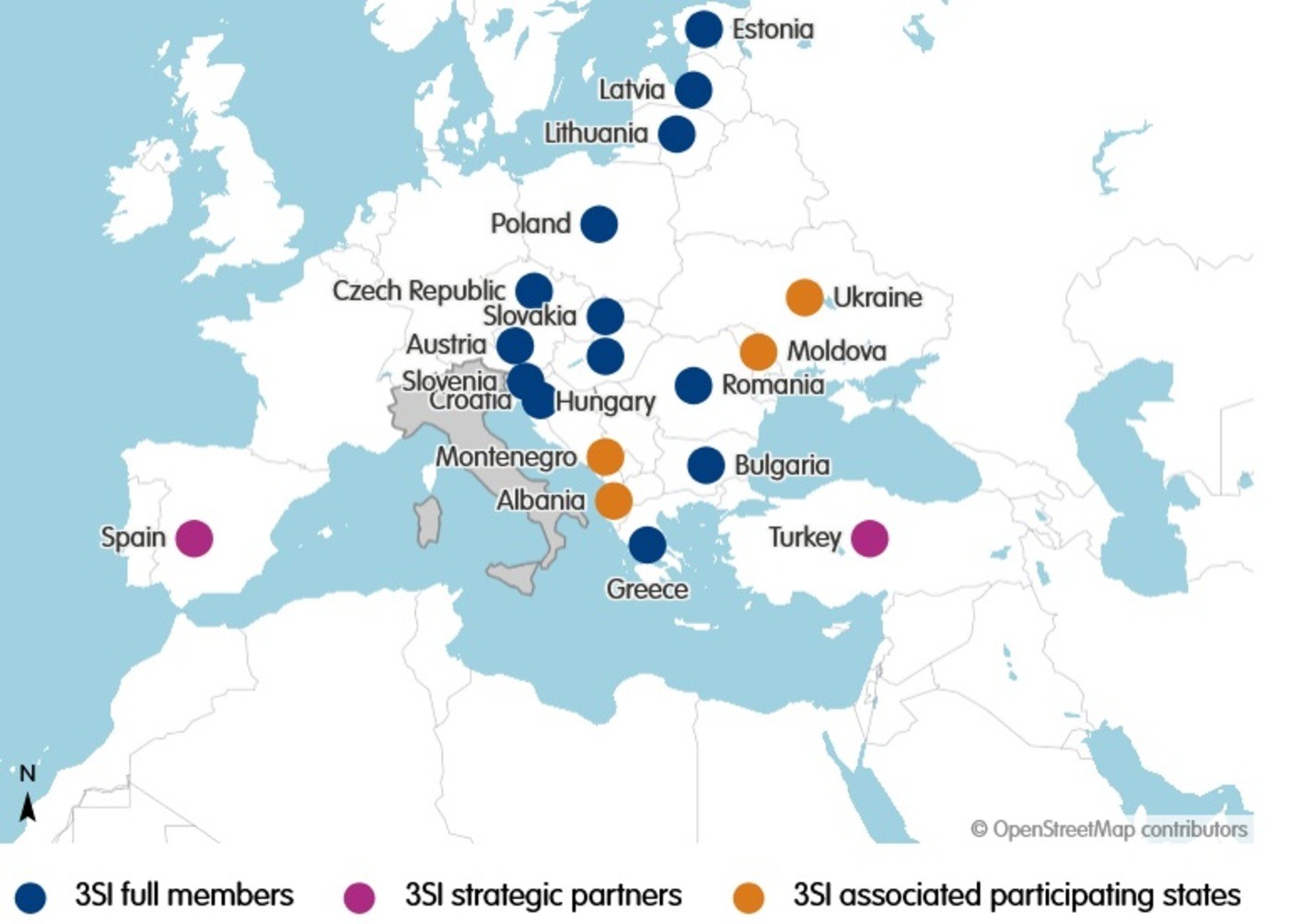
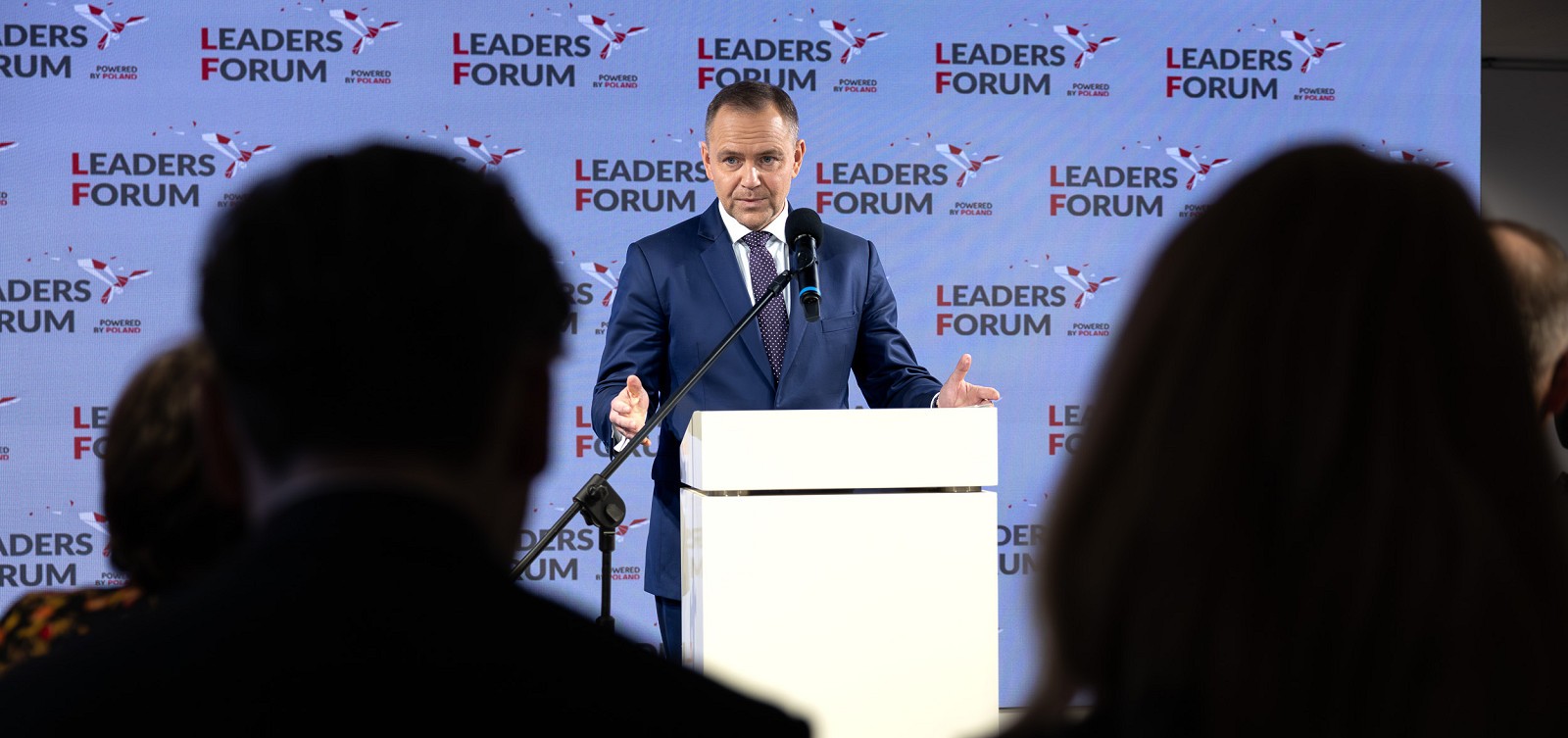
Polish President Karol Nawrocki emphasized in Davos the strategic importance of the Three Seas Initiative as a key platform for infrastructural, economic, and geopolitical cooperation in Central and Eastern Europe. The opening speech of the panel „Three Seas Initiative: geostrategic business opportunities – a bridge to the future – from the Adriatic, the Baltic, the Black Sea to Asia” took place as part of the Leaders Forum powered by Poland during the World Economic Forum in Davos. Former polish president Andrzej Duda participated as well.


President Nawrocki noted that over the course of a decade the Three Seas Initiative has evolved from a political concept into a mature cooperation mechanism that has tangible impact on the regional development.


“Ten years ago, the Three Seas Initiative began as an idea. Up until today it has evolved into a strategic framework for regional transformation, and alliance of innovation and infrastructure, and a symbol of Central and South-Eastern Europe’s maturity and confidence on the world stage” – told the President.


In his address the President also emphasized the strong transatlantic anchoring of the Three Seas Initiative. He stressed that from the very beginning, the Initiative was conceived as an open project, strengthening cooperation between the European Union and partners outside Europe, particularly the United States. In this context, the Three Seas Initiative was presented as a “bridge” connecting a dynamically developing region with global capital, technology, and markets.


” The Three Seas Initiative has never been an inward-looking project (…) it has been strategically anchored in the transatlantic partnership that unites Europe and North America”.


The President drew attention to the geostrategic dimension of cooperation within the Three Seas region in the face of global challenges such as geopolitical instability, pressure on supply chains, and competition for resources. He pointed out that the development of modern infrastructure and the deepening of economic cooperation constitute the foundation of security and long-term growth.


The speech also had a strong economic dimension. The President of Poland underlined Poland’s ambitions to strengthen its position in the global economy and its aspirations to join the G20, highlighting the growing role of the Three Seas region as one of the engines of growth in Europe. At the same time, he invited international investors to actively participate in projects implemented under the framework of the Initiative.


During the World Economic Forum in Davos, President Karol Nawrocki also met with President of the United States Donald Trump. The main topics of their talks were security and economic issues.


THE PRESIDENT’S SPEECH IS AVAILABLE HERE


Photo credit: © Mikołaj Bujak/KPRP, Source: https://www.prezydent.pl/aktualnosci/wizyty-zagraniczne/prezydent-w-davos-o-inicjatywie-trojmorza,113783

Read more